QuantumComputing Courses.com
  • Courses
    • All Courses
    • Course Platforms
    • Coursera
    • edX
    • Udemy
    • Brilliant
    • Hardware Providers
    • Google Quantum AI
    • IBM Quantum
    • IonQ
    • Quantinuum
    • Amazon Braket
    • Azure Quantum
    • QuEra
    • Rigetti
    • D-Wave
  • Tutorials
    • All Tutorials
    • Hello World: Qiskit
    • Hello World: Cirq
    • Hello World: PennyLane
    • Hello World: Braket
    • Quantum Gates
    • Grover's Algorithm
    • Shor's Algorithm
  • Reference
    • All Frameworks
    • Qiskit
    • Cirq
    • PennyLane
    • Amazon Braket
    • PyQuil
    • tket
    • D-Wave Ocean
    • Q#
  • Explore
    • Learn Learning Paths Prerequisites Programming Guide Case Studies Glossary Books Quantum News Podcasts Tools Bloch Sphere Quantum Pinball
    • Guides Algorithm Guide Hardware Guide Qubit Types Framework Comparison Migration Guide Language Timeline Cheat Sheets Career Events 2026 Jobs Careers Certifications Salary Guide Universities Interview Prep FAQ Troubleshooting
  • About
    • Company
    • Editorial policy
Search Browse courses
  1. Home
  2. Linear Algebra

Topic

Linear Algebra

1 course · 4 tutorials

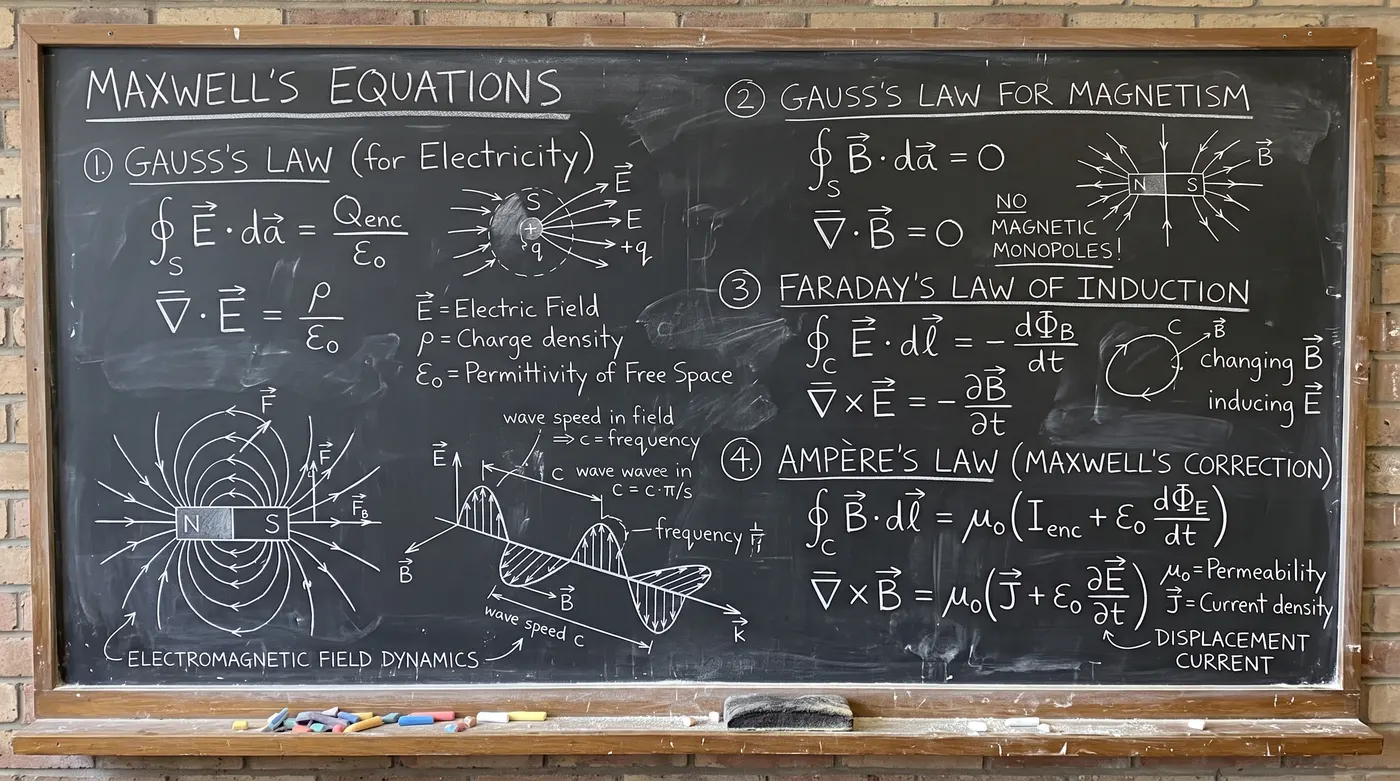
Blackboard maxwell equations

Courses

  • Brilliant

    Vectors and Matrices

    Vectors, matrices, transformations, and eigenvalues, as interactive problems. The linear algebra used to write gates and states.

    Self-paced intermediate

    Paid Enroll →

No content at this level.

Free Tutorials

    • beginner
    • 25 min read

    Linear Algebra for Quantum Computing: Vectors, Matrices, and Inner Products

    Master the linear algebra underlying quantum computing: Dirac notation, inner products, tensor products, Hermitian and unitary matrices, eigenvalues, and partial trace, all with numpy examples.

    →
    • beginner
    • 20 min read

    Quantum Gates as Matrices: The Linear Algebra Behind Quantum Computing

    Understand quantum gates as 2x2 unitary matrices, see the explicit matrices for X, Y, Z, H, S, and T gates, and learn how matrix multiplication corresponds to running gates sequentially.

    →
    • beginner
    • 35 min

    Linear Algebra for Quantum Computing

    The essential linear algebra you need for quantum computing: vectors, matrices, tensor products, and inner products, explained with quantum computing in mind.

    →
    • beginner
    • 25 min

    Bra-Ket Notation Explained

    A practical guide to Dirac bra-ket notation as used in quantum computing: kets, bras, inner products, outer products, and how to read quantum circuit diagrams.

    →

Start here

  • Start from zero No physics needed
  • Best courses 112 listed
  • Free tutorials 220 hands-on
  • Glossary 241 terms
  • Qubit Factory Watch a qubit get built

Get one quantum email a week

New tutorials, courses worth taking, and what changed in Qiskit/Cirq/PennyLane this week. No spam, unsubscribe anytime.

112 courses 220 tutorials 241 glossary terms 26 framework references 34 case studies

QuantumComputing Courses.com

Free tutorials, curated courses, framework references, and tools for anyone learning quantum computing.

An independent catalog of quantum computing courses and tutorials, published by Hadamard LLC.

Learn

  • All Courses
  • Free Tutorials
  • Learning Paths
  • Compare Frameworks
  • Algorithm Guide
  • Case Studies
  • Quantum News

Reference

  • Glossary
  • Framework Docs
  • Hardware Guide
  • Qubit Types
  • History Timeline
  • Cheatsheets
  • Bloch Sphere
  • Quantum Programming

Careers

  • Careers Guide
  • Salary Guide
  • Certifications
  • Interview Questions
  • Jobs
  • Team training
  • Post a Job
  • Talent Pool

About

  • Company
  • Editorial Policy
  • FAQ
  • Events 2026
  • Podcasts
  • Books
  • Contact

As an Amazon Associate, QuantumComputingCourses.com earns from qualifying purchases.

© 2026 Hadamard LLC · QuantumComputingCourses.com
  • Affiliate Disclosure
  • Privacy
  • Terms
  • Cookies

We use cookies to improve your experience and track affiliate performance. See our Cookie Policy.